

Quick Summary
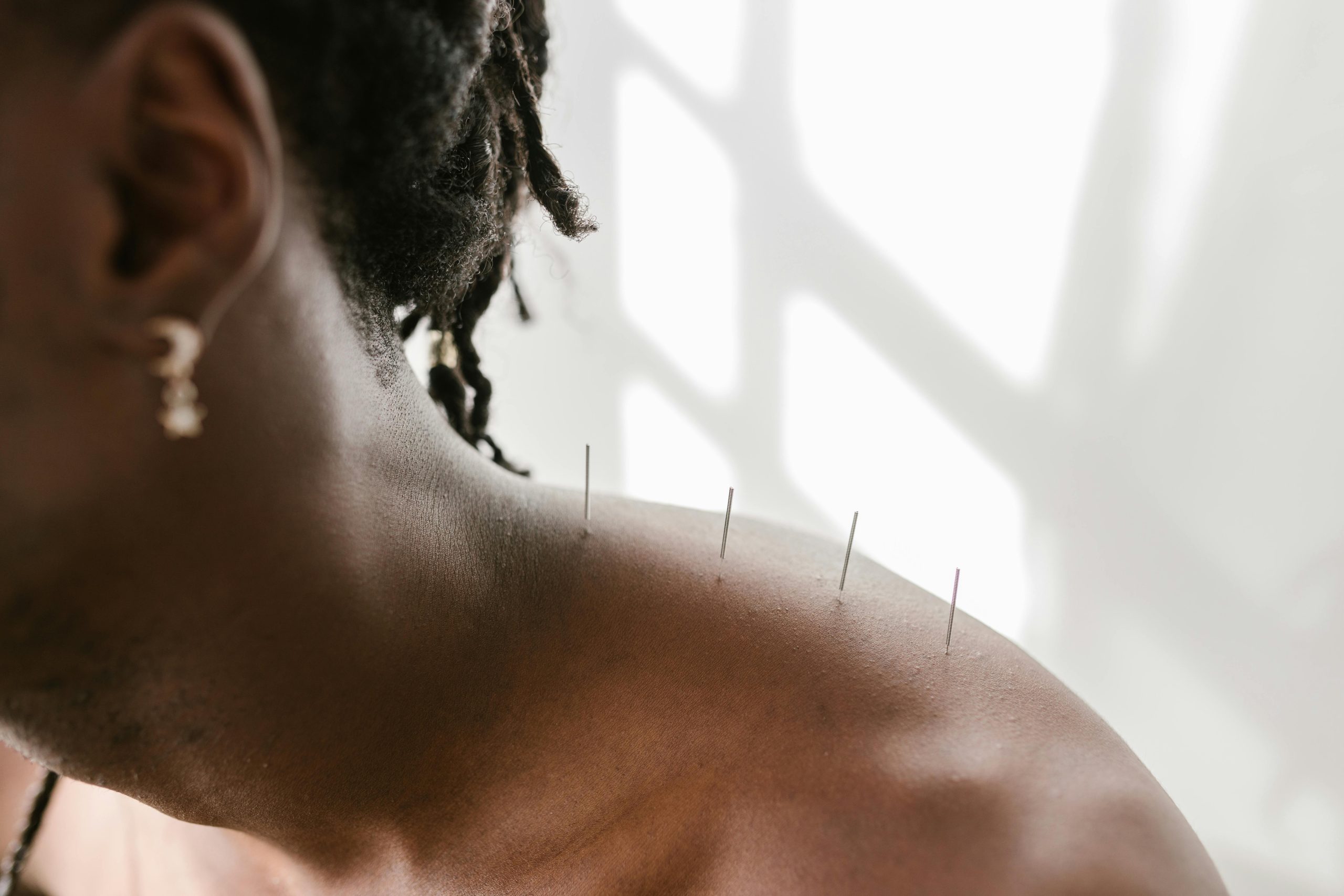
Some people with PMR explore acupuncture as a complementary option to ease girdle pain, stiffness, or steroid-related sleep issues. It is not a replacement for medical therapy, but many individuals consider it a supportive add-on. While direct PMR-specific trials are lacking, evidence from related pain conditions helps shape expectations.
People living with polymyalgia rheumatica often look for ways to feel more comfortable during their steroid taper, especially when stiffness and aching linger despite appropriate treatment. Acupuncture is one of the practices patients frequently ask about. Although it does not change the underlying inflammation that defines PMR, some individuals report feeling looser, calmer, or better rested after a structured course.
This article summarizes what current evidence suggests, how acupuncture fits into clinical practice, and what considerations help people trial it safely.
What the Evidence Shows So Far
Direct acupuncture trials in PMR do not yet exist. That means clinicians rely on research from related conditions: chronic neck and shoulder pain, knee osteoarthritis, low back pain, chronic headache, and general musculoskeletal discomfort. Large meta-analyses comparing real versus sham acupuncture show small-to-moderate benefits for pain that persist beyond the immediate treatment period.
Shoulder pain, in particular, has shown measurable improvement in several trials, including those using electro-acupuncture — an area highly relevant for PMR, since shoulder girdle discomfort is often the dominant symptom. Sleep research also suggests that acupuncture may improve subjective sleep quality, which some patients find useful during steroid courses that disrupt rest.
Guidelines from major rheumatology organizations continue to emphasize glucocorticoids, tapering strategies, and steroid-sparing medications as the backbone of PMR treatment. Acupuncture is not positioned as a disease-directed therapy but rather as a complementary option that may support symptom comfort.
What Acupuncture Can Realistically Offer
People who try acupuncture during their PMR course often describe modest but meaningful improvements. Some notice reduced tightness around the shoulders and hips, which may help them move more freely as they begin their day. Others report that acupuncture sessions help ease tension and improve sleep on nights when prednisone timing alone is not enough.
These shifts do not replace steroids or alter inflammatory markers, but they may help someone feel more comfortable, remain active, and stay consistent with rehabilitation exercises. In that sense, acupuncture supports the broader plan rather than steering it.
What Acupuncture Cannot Do
Acupuncture does not treat the underlying inflammation of PMR, prevent relapses, or substitute for glucocorticoids or steroid-sparing agents. Medical evaluation remains essential, especially during early diagnosis and throughout steroid tapering.
It is also not appropriate for symptoms suggestive of giant cell arteritis (GCA) such as new scalp tenderness, jaw pain while chewing, sudden visual changes, or persistent headaches. Those require urgent assessment and higher-dose steroid therapy, not complementary approaches.
How to Trial Acupuncture in a Structured Way
People tend to get the clearest sense of acupuncture’s value when they try it deliberately rather than casually. Setting a focused goal — such as reducing morning stiffness minutes, improving shoulder movement, or sleeping more consistently — helps measure change over time.
A typical trial involves weekly sessions for six to eight weeks, followed by reassessment. If the effect is noticeable and helpful, some reduce the frequency to every few weeks for maintenance. Keeping steroid doses stable during the trial makes it easier to distinguish what improvements come from acupuncture versus medical changes.
Safety and Special Considerations
Acupuncture performed by trained professionals is generally considered safe, though not risk-free. Rare complications such as pneumothorax, infection, or nerve injury have been documented. Choosing a licensed practitioner who uses single-use sterile needles and follows standard precautions is essential.
People taking anticoagulants — including warfarin or DOACs — can usually receive acupuncture with careful site selection and prolonged pressure after needle removal. Communicating about medications, easy bruising, or any bleeding tendency helps the practitioner adjust technique.
Situations that may require postponing treatment include fever, active infections at needle sites, marked immunosuppression, or very unstable cardiopulmonary disease. During a PMR flare, tender areas may be too uncomfortable for needling; some individuals wait for their symptoms to settle before resuming.
Choosing a Practitioner
Patients often find it helpful to ask about training, needle technique, and whether the acupuncturist has experience working with steroid-treated individuals or those with chronic musculoskeletal pain. Some approaches focus on shoulder and hip protocols, and others incorporate electro-acupuncture for stubborn symptoms. Discussing goals in advance clarifies expectations and ensures the practitioner tailors the plan appropriately.
Cost varies widely by region, so many people budget a defined amount for a full trial. Tracking progress — rather than relying on vague impressions — helps determine whether continued sessions feel worthwhile.
How Acupuncture Fits Into the Broader PMR Plan
Acupuncture, when helpful, tends to work best as part of a bundle: gentle mobility work, heat in the morning, steroid timing strategies, and gradual activity progression. The medical core of PMR management remains unchanged: properly dosed glucocorticoids, tapering under supervision, and possible steroid-sparing therapy.
Acupuncture may make the journey smoother by easing discomfort along the way, but it does not replace medical treatment or change long-term disease course.
Final Thoughts
Acupuncture can offer symptom support for some individuals with PMR — especially around shoulder discomfort, morning tightness, and steroid-related sleep issues. Its role is complementary rather than corrective, and its benefits are best evaluated through a time-boxed, goal-oriented trial.
When used thoughtfully and alongside a clinician-guided PMR plan, acupuncture may become a helpful tool for comfort, mobility, and overall well-being.
